
Contents
Overview
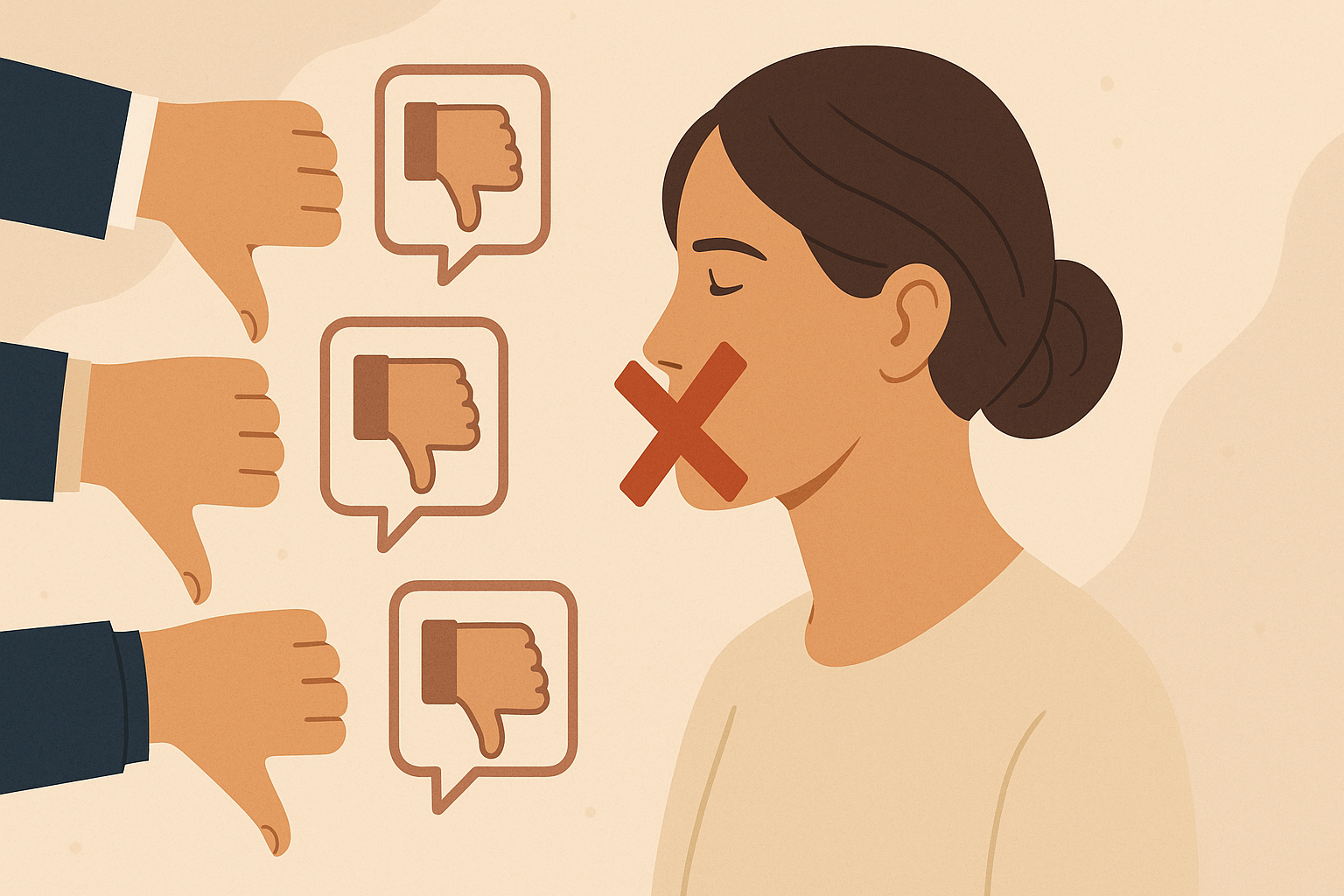
Cancel culture, as seen through the lens of VibePedia, refers to the practice of publicly shaming, rejecting, and ceasing to provide support to individuals perceived as problematic. This phenomenon, also known as call-out culture, can have significant implications. As we navigate the complexities of cancel culture, it's essential to consider the importance of empathy, compassion, and mindfulness in promoting a culture of understanding and healing. By examining the intersection of cancel culture and mental wellness, we can work towards creating a more supportive and inclusive environment that fosters personal growth and self-care.
📖 Definition & Core Concept
Cancel culture, as it relates to mental wellness and self-care, is a complex and multifaceted phenomenon that requires a nuanced understanding of its underlying mechanics and implications. By examining the ways in which cancel culture can impact our lives, we can work towards creating a more supportive and inclusive environment that promotes healing and growth. This includes exploring the role of social media in shaping our perceptions and experiences of cancel culture, as well as the importance of mindfulness practices in mitigating its effects.
🔬 How It Works (Mechanics)
The mechanics of cancel culture are deeply intertwined with the dynamics of online communities and the ways in which they can both support and undermine our well-being. By understanding how cancel culture operates within these communities, we can develop more effective strategies for promoting positive and inclusive interactions. This includes exploring the role of influencers and thought leaders in shaping the narrative around cancel culture, as well as the importance of critical thinking in evaluating the information and ideas that we encounter online.
📊 Key Facts, Numbers & Statistics
The history and evolution of cancel culture are complex and multifaceted, and reflect the changing dynamics of our online and offline interactions. By understanding the ways in which cancel culture has evolved over time, we can develop a more nuanced and compassionate approach to addressing these issues, and work towards creating a more supportive and inclusive environment that promotes healing and growth. This includes exploring the role of social justice movements in shaping the narrative around cancel culture, as well as the importance of emotional intelligence in navigating the complexities of online interactions.
🌍 Real-World Examples & Use Cases
Real-world examples of cancel culture can help us better understand its implications and consequences. By examining the ways in which cancel culture can impact our lives and our communities, we can work towards creating a more supportive and inclusive environment that promotes healing and growth.
📈 History & Evolution
The current state of cancel culture is one of ongoing debate and discussion, with many individuals and communities grappling with its implications. By exploring the latest developments and research related to cancel culture, we can work towards creating a more nuanced and compassionate approach to addressing these issues, and promote a more supportive and inclusive environment that fosters healing and growth. This includes examining the role of mental health professionals in addressing the negative consequences of cancel culture, as well as the importance of self-care practices in mitigating its effects.
⚡ Current State & Latest Developments
The future outlook for cancel culture is uncertain, but it is clear that this phenomenon will continue to shape our online and offline interactions in significant ways. By working towards a more nuanced and compassionate approach to addressing these issues, we can promote a more supportive and inclusive environment that fosters healing and growth. This includes exploring the role of education in promoting media literacy and critical thinking, as well as the importance of community building in creating a more supportive and inclusive online environment.
🔮 Why It Matters & Future Outlook
Common misconceptions about cancel culture include the idea that it is a unified and monolithic phenomenon, rather than a complex and multifaceted one. By examining the ways in which cancel culture can impact our lives and our communities, we can work towards creating a more nuanced and compassionate approach to addressing these issues, and promote a more supportive and inclusive environment that fosters healing and growth. This includes exploring the role of media representation in shaping our perceptions of cancel culture, as well as the importance of diversity and inclusion in creating a more supportive and inclusive online environment.
🤔 Common Misconceptions
Social media plays a role in shaping our perceptions and experiences of cancel culture. Mindfulness practices can help mitigate the negative effects of cancel culture. The mechanics of cancel culture are deeply intertwined with the dynamics of online communities.
Key Facts
- Origin
- United States
- Category
- mindfulness
- Type
- concept
- Format
- what-is
Frequently Asked Questions
What is cancel culture and how does it impact our lives?
Cancel culture refers to the practice of publicly shaming, rejecting, and ceasing to provide support to individuals perceived as problematic. By examining the intersection of cancel culture and our well-being, we can work towards creating a more supportive and inclusive environment that fosters personal growth and self-care. This includes exploring strategies for maintaining healthy boundaries, practicing self-compassion, and cultivating resilience in the face of adversity. For example, individuals can practice mindfulness and self-care to mitigate the negative effects of cancel culture, and engage in online communities that promote positivity and support.
How can we promote a culture of empathy and compassion in the face of cancel culture?
Promoting a culture of empathy and compassion in the face of cancel culture requires a nuanced understanding of the complexities of this phenomenon, as well as a commitment to creating a more supportive and inclusive environment. This includes exploring the role of education in promoting media literacy and critical thinking, as well as the importance of community building in creating a more supportive and inclusive online environment. By working together to create a culture of empathy and compassion, we can mitigate the negative consequences of cancel culture.