
Contents
- Prerequisites & What You Need
- Step 1: Use a Plunger
- Step 2: Use Baking Soda and Vinegar
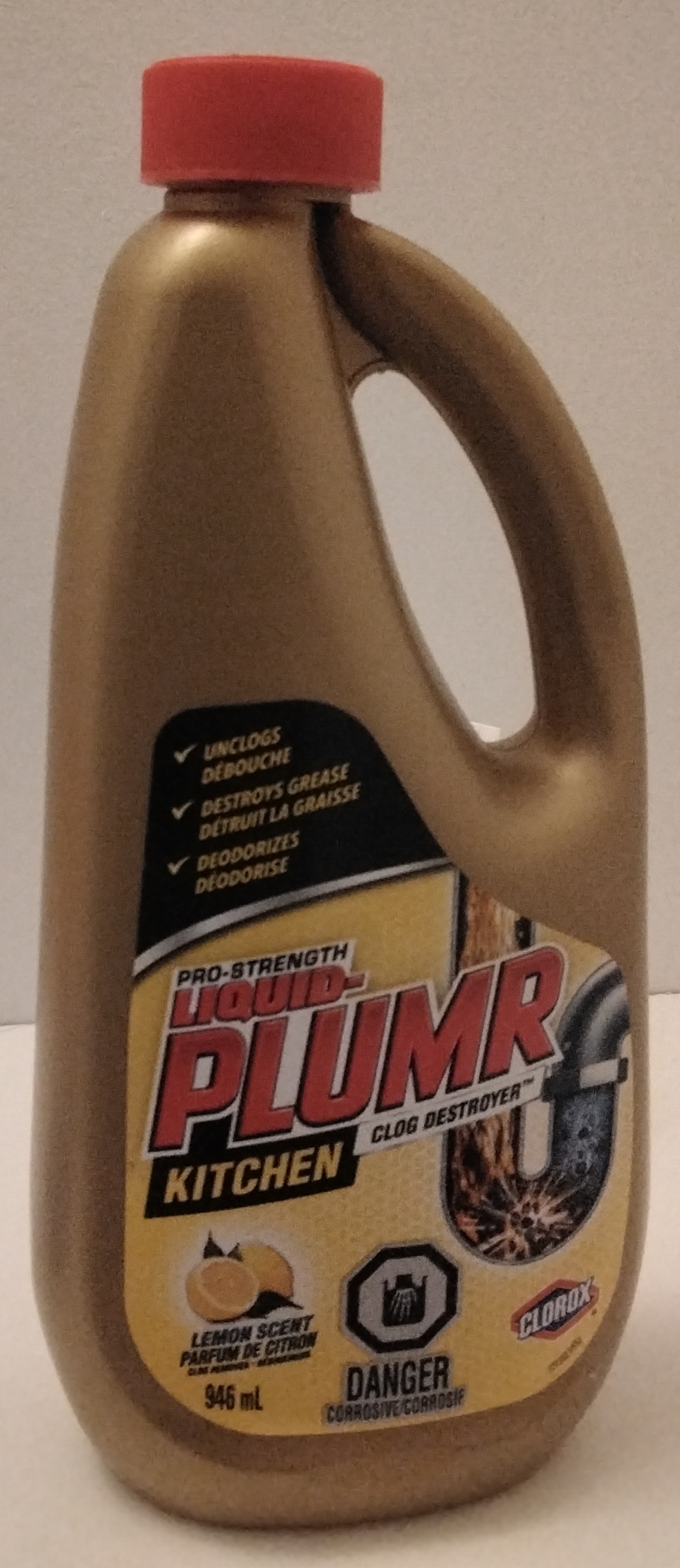
- Step 3: Use a Chemical Drain Opener like Liquid-Plumr
- Step 4: Use a Drain Snake
- Step 5: Call a Professional
- Common Mistakes & How to Avoid Them
- Cost & Time Breakdown
- Expected Results & Metrics
- Pro Tips & Advanced Techniques
- Frequently Asked Questions
- References
- Related Topics
Overview
This guide teaches you how to unclog a drain using various methods, including DIY techniques and chemical drain openers like Liquid-Plumr. With a few simple tools and some basic knowledge, you can save time and money by avoiding costly plumber visits. We'll cover the most common causes of clogged drains, the best tools for the job, and provide a step-by-step guide on how to use them. Whether you're dealing with a slow-draining sink or a completely clogged toilet, this guide has got you covered. By following these steps, you can reportedly clear your clogged drain. The methods outlined in this guide are suitable for various types of pipes, but it's essential to check the manufacturer's instructions before proceeding.
Prerequisites & What You Need
Before you start, make sure you have the necessary tools and materials, including a plunger, baking soda, vinegar, a chemical drain opener like Liquid-Plumr, and a drain snake.
Step 1: Use a Plunger
Step 1: Use a plunger to create suction and loosen any blockages in the drain. Start by applying a small amount of petroleum jelly to the rim of the plunger, then place it over the clogged drain and push down slowly. Hold the plunger in place for a few seconds, then lift it up quickly to create suction. Repeat this process several times until the water starts to drain freely.
Step 2: Use Baking Soda and Vinegar
Step 2: If the plunger doesn't work, try using baking soda and vinegar to clear the clog. Pour 1 cup of baking soda down the drain, followed by 1 cup of vinegar. Let the mixture sit for a few hours or overnight, then pour hot water down the drain to rinse it out. This method is especially useful for clearing grease and food particles from the drain.
Step 3: Use a Chemical Drain Opener like Liquid-Plumr
Step 3: If the above methods don't work, it's time to use a chemical drain opener like Liquid-Plumr. Follow the instructions on the label carefully, and make sure to wear protective gloves and eyewear. Pour the recommended amount of Liquid-Plumr down the drain, then let it sit for the recommended amount of time. Finally, pour hot water down the drain to rinse it out.
Step 4: Use a Drain Snake
Step 4: If the chemical drain opener doesn't work, it's time to use a drain snake. A drain snake is a long, flexible rod that can be inserted into the drain to break up any blockages. Start by feeding the snake into the drain, then rotate it as you push it further into the pipe. Once you feel resistance, pull the snake back out and remove any debris that's attached to it. Repeat this process until the water starts to drain freely.
Step 5: Call a Professional
Step 5: If none of the above methods work, it's time to call a professional plumber. A plumber will have the necessary tools and expertise to diagnose and fix the problem, and can also provide advice on how to prevent clogs in the future.
Common Mistakes & How to Avoid Them
Common mistakes to avoid when unclogging a drain include using too much force, which can damage the pipes, and not wearing protective gloves and eyewear when using chemical drain openers. It's also important to follow the instructions on the label carefully, and to take necessary safety precautions to avoid injury.
Cost & Time Breakdown
The cost of unclogging a drain can vary depending on the method used. The cost of hiring a professional plumber or purchasing DIY tools and materials may vary.
Expected Results & Metrics
The expected results of unclogging a drain can vary depending on the method used. It's reportedly possible to clear a clogged drain using the methods outlined in this guide.
Pro Tips & Advanced Techniques
Pro tips for unclogging a drain include using a combination of methods, such as using a plunger and then following up with a chemical drain opener. It's also important to take preventive measures to avoid clogs in the future, such as running hot water through the drain on a regular basis and avoiding putting grease and food particles down the drain.
Key Facts
- Year
- 2022
- Origin
- United States
- Category
- mindfulness
- Type
- concept
- Format
- how-to
Frequently Asked Questions
What are the most common causes of clogged drains?
The most common causes of clogged drains include grease and food particles, hair, and soap scum. To avoid clogs, it's recommended to run hot water through the drain on a regular basis and avoid putting grease and food particles down the drain.
What is the best method for unclogging a drain?
The best method for unclogging a drain depends on the type of clog and the type of pipe. DIY methods such as using a plunger or baking soda and vinegar can be effective for minor clogs, while chemical drain openers like Liquid-Plumr may be necessary for more severe clogs.